Saturday, 11 November 2017

#SproutChat Recap: Overcoming Challenges in Agencies

Whether it’s juggling multiple accounts or perfecting brand voice for different brands—working in an agency is never a dull experience. Unlike many other workplaces, agency life can be full of twists and turns.

In this week’s #SproutChat, we were joined by Sprout All Star Elite, Kellen McGugan of BigWing Agency. We talked best practices for communicating to clients, time management and important traits needed to succeed in any agency.

Take Time for Growth

We know that when you work in social media, no two days ever look the same. So it’s good to have a routine of daily tasks and also allow yourself time to grow professionally. Find easy ways to stay on top of current affairs and marketing trends.

Keep Track of Time

Every client will be different and you won’t always be performing the same tasks for each account, but it’s important to know where you’re spending time. There are a multitude of tactics and tools for this process. Find what works best for you and your style of work.

Less Data, More Examples

Clients may have a hard time getting a good grasp on what your offerings look like with data and metrics. Get creative and dig a little deeper in your presentations. Show a mock-up of a campaign and offer a solid taste of what you can provide.

Be Adaptable

Adaptability is a key trait in order to be successful and grow at an agency. Scopes of projects and demands can be in flux often, so having the ability to flex to those needs will help you immensely.

Join us next Wednesday, November 15th at 2 p.m. CST, to chat with Sprout All Star, Lexie Kimball of Netvantage Marketing, about the relationship between SEO and social media.

Can’t make the chat? Join our Facebook community to connect with others in the industry and stay on top of upcoming events.

This post #SproutChat Recap: Overcoming Challenges in Agencies originally appeared on Sprout Social.


source https://sproutsocial.com/insights/sproutchat-agency-challenges/

Friday, 10 November 2017

Sprout Social Named a Top Workplace by Chicago Tribune for Third Consecutive Year

To help identify what makes a great workplace, the Chicago Tribune surveys tens of thousands of employees each year and uses their responses to build a list of the best places to work in Chicago. Sprout Social is honored to be included on the list for the third year in a row, ranking No. 4 on the list of midsize companies for 2017. This recognition is particularly meaningful because it is based on employee feedback regarding several aspects of workplace culture.

“We take an inclusive approach to everything we build, including our culture,” said Maureen Calabrese, Chief People Officer. “It is wonderful to see these efforts recognized by the Chicago Tribune and we continue to work to ensure that the culture we create is fueled by our employees and feels authentic to the team we’ve built.”

By encouraging the intersection of personal interest and professional experience, Sprout’s culture has been able to grow and flourish organically. Team members know they can come here to work, learn and collaborate with the best in the business, all while feeling supported to pursue their own passions, both within and outside of our walls.

Employees are empowered to identify and implement programs that feed them. Over the years, this has expanded to include an annual hackathon, day of service, summer canoe trip, monthly happy hours and employee development trainings, among other opportunities.

Thank you to every member of Team Sprout for their steadfast dedication to building great products and creating a workplace where all people and perspectives are welcome.

Want to join our team? Visit Sprout Careers to learn more about who we are and what we do. You can view the award methodology and full list from the Chicago Tribune here.

This post Sprout Social Named a Top Workplace by Chicago Tribune for Third Consecutive Year originally appeared on Sprout Social.


source https://sproutsocial.com/insights/top-workplace-chicago-tribune/

Recognizing Agency Excellence: The Sprout Partner Value Awards

Thursday, 9 November 2017

Meet Lift, by Sprout Social

How to Optimize Content That Will Get Read and Shared

More people have access to a mobile phone than a desktop. According to the Ofcom report, 78% of UK consumers have a smartphone, 60% have a tablet, but only 53% of consumers have a desktop computer.

That means people are more likely to consume media on a device that isn’t a traditional computer, but as commercial social media is mostly produced on desktops, a surprising amount of people don’t optimize for other platforms.

An obvious example of this is websites that aren’t optimized for mobile or tablet.

If you do manage to drive your customers to your website, the last thing you want is for people to abandon their customer journey because they can’t use your website.

You also don’t want a social media message that won’t read well on a smaller device.

Why you should care about the mobile user’s experience

At the FigDigSearch event - Google stated that 40% of users abandon sites that take more than 3 seconds to use.

If you’re not prepared for mobile, you will miss the larger part of your potential audience.

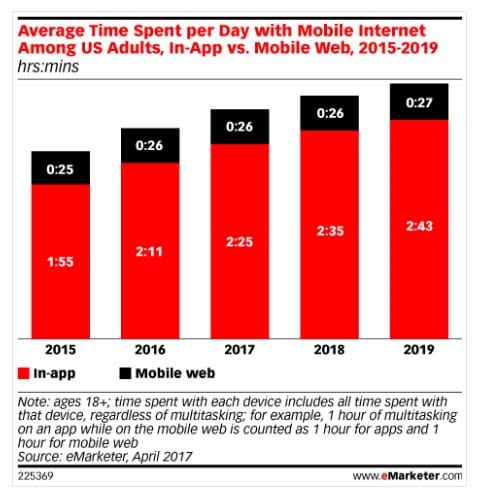
People in the UK spend 66 hours a month on their smartphones. In the US, people spend twenty hours more - that’s an average of 4 hours a day.

85% of that time is spent in apps. That means if you are using Facebook ads and making them available on the audience network, then people are most likely to see your message in an in-app ad.

Between them, Google and Facebook take up 25% of the time spent on apps.

Even big companies like Amazon and Apple only take up 3%, Yahoo takes 2% and, Microsoft and eBay get 1% each.

That means nearly two-thirds of the time (65%) spent on mobile is spent outside those app networks.

Social networks take up 14% of the time spent on smartphones, which leaves 86% when people’s attention will be in apps where they won’t see your commercial messages as you might expect them to be presented.

Optimize content to get your message read

89 is an important number for getting your message read.

89 is the number of characters that you can have in an interstitial or in-app ad.

If you need more for a message, then it will be lost.

If someone clicks on that ad, it won’t take them to read the rest of it - it will take them directly to your landing page - and they may not know why they’re there.

Here’s an example.

Need a boost? We are one of the most innovative vendors in the whole country, using our nitrogen infuser to create a cold brew coffee that will give your morning a nitro boost. We use only natural ingredients and bottle everything ourselves in our family run distillery.

Ferdi Mantle's Coffee - Just Brew It!

The copy isn’t terrible. Iit starts with an active question, and shows the unique selling point of the product.

It’s just too long. That’s how the post would look on a desktop feed.

When you reformat the message to how it would appear on a mobile feed, it starts to look like this:

Need a boost? We are one of the most innovative vendors in the whole country, using our nitrogen infuser to create a cold brew coffee that will give your morning a nitro boost. We use only natural ingredients...

The width of the mobile feed is 45 characters.

What was a too long piece of content becomes a paragraph that people will just skip past rather than read.

It also goes beyond 210 characters - which means that the end of the message becomes a “read more” click rather than a clear message.

The tag line is also lost behind that “read more” click.

Now, here’s how it would look in an in app ad:

Need a boost? We are one of the most innovative vendors in the whole country, using...

This copy could be selling absolutely anything. It could easily apply to a marketing agency as it could to people selling cold brew coffee. On the device where people spend most of their time, in the apps where they spend two thirds of their time, the message is lost.

To reach the most people, keep your message at 90 characters or less (and sometimes less is necessary, depending on the characters you use - “i” and “l” take up less space than other letters). Let’s focus on front-loading the message into just 90 characters.

Need a boost? Ferdi Mantle's nitrogen infused cold brew coffee gives you a nitro boost!

That’s what the copy will look like on both the in-app adverts, interstitials, and a mobile feed.

The 90 characters of the in-app ad equates to two lines of copy on a Facebook mobile ad.

That means the whole message can be taken in easily without people having to scroll past.

It doesn’t mean that every message you write needs to be written in 90 characters, but it does mean you have to front-load your message so it makes sense even if it’s going to be shorter.

Here’s what a longer desktop version would look like:

Need a boost? Ferdi Mantle's nitrogen infused cold brew coffee gives you a nitro boost! 

We only use natural ingredients in our family run business. You can’t get a coffee like this anywhere else, thanks to our patented nitro infuser.

Ferdi Mantle's Coffee - Just Brew It!

With this longer copy, you will get the “read more” prompt - but it still makes sense on a mobile feed - and gives you an incentive to click to read more and find out what else is there:

Need a boost? Ferdi Mantle's nitrogen infused cold brew coffee gives you a nitro boost!

We only use natural ingredients in our family run business. You can’t get a coffee like this anywhere else, thanks to (read more)

This time, people can read the content on all parts of Facebook’s Audience Network, and still make sense of what is being said.

Making sure that you front-load your message and that it makes sense is key in getting your message read.

Optimize content to get your message shared

Let’s go through the checklist:

  • Use an eye catching image or video
  • Make sure you include your logo
  • Include pictures of people
  • Make sure that it’s entertaining or educating

Great - do all those things, it’s good practice - but is it really going to make people share your content?

Firstly, your message needs to be clear and to the point. People won’t share if they can’t read and understand it.

Secondly, you need to think about the things you share when you are on social media.

You share things that are interesting, that are funny, that are cool - and that are timely.

You share things that have value on their own, not because they’re trying to tell you something.

To get your message shared, it should be funny, interesting, cool, timely, and has value on its own - but also backs up your brand image.

Here are a couple of examples from brands who have done this recently.

1. Dr. Oetker Baking UK

In the UK, one of the recently trending topics on Twitter was #GBBO, based on the new series (with new hosts) of Great British Bake Off.

One brand that jumped onto the back of this was Dr. Oetker Baking UK. They are tweeting about the upcoming show.

It’s a great example of a brand matching up something that’s timely.

Here’s one of the tweets they put out:

The ad is about capturing an emotion, not selling baking products - although they are also heavily featured.

It also ties into the sense of nostalgia that’s going on, with a gif from the original Beauty and the Beast (which is also a sly comment on the weird animated promo Channel 4 have been running for GBBO).

Dr. Oetker didn’t need to steal a Disney gif - they’re one of the official sponsors of the show - but by matching people’s anticipation, the brand is humanized and Dr. Oetker is no longer just seen as a frozen pizza manufacturer.

2. Kingsman: The Golden Circle

Another example of newsjacking done well is the recent promo for “Kingsman: The Golden Circle.”

The news in the US has been full of stories about the recent total eclipse - and this video stages it like it was all just a huge promo idea for the movie.


With people so interested in the story (and getting slightly sick of it), it’s a great way to be funny by sharing the video with people.

The brand pokes fun at itself, gets in its sales pitch - and even educates us about how much thrust would be needed to move the moon. It’s funny and timely.

3. Wendy’s

One of the most shared tweets of all time? This one from Carter Wilkinson posted on April 8 2016. He has been trying very hard to get a year’s free chicken nuggets from Wendy’s:


Why is it being retweeted? Because it’s funny, it’s helping people out, and it's a challenge.

All Wendy’s needs to do now is wait for the tweet to stop getting retweeted, and offer him two months of free nuggets for getting a sixth of the way there.

It’s not timely, but it is certainly interesting and entertaining - Wendy’s is getting Rick-rolled by the Internet, all for their own benefit.

This isn’t content that can be created - but it does show the importance of paying attention to your customers, and building a genuine relationship with them.

Getting shares is all about the quality of your message.

Although you may be trying to sell over social media, you need to make sure that you build up a relationship.

You have to buy your audience dinner first. That means entertaining them before you can turn them into a lead.

How can you get your message read and shared?

To get your message read, you need to make sure that your message is clear and has a defined purpose.

If you try and do too many things at once, you will do all of them badly.

Make sure you have a clear message that can be easily understood.

Make sure that it can be easily read on any device - 90% of users start a task on one device and then complete it on another.

Make sure your message is appropriate for the social media platform you are using, but do what you can to make it stand out from the competition.

Front-load your message with key information, and be aware of the cut-off points.

To get your message shared, be certain of your brand and your audience.

If you know what you stand for, and what your audience likes, then you can “newsjack” and find things that apply to your brand and also get your audience’s attention.

Make sure that your content would have value even if your brand was taken away from it. Don’t get so taken by an idea, that you put content out that doesn’t match with your brand values.

How can you change your content to make it more effective?

You can make it shorter, so more people can read it - and more people will read it. You can make it more relevant to your audience and your brand.

You can make it clearer in its phrasing and purpose. You can make it more entertaining so people will engage and share.

You are trying to get your message to people where their attention already is (with all the effort and expense you go through putting it there).

Make sure it’s something they want to engage with.


Zachary Jarvis is a Digital Marketer with one thing on his mind: Results. Uninspired by the never ending talk of ‘vanity metrics’ in the world of digital marketing, Magnate was founded - the ‘Social-First’ marketing agency.  On the very rare occasion he isn’t watching Step Brothers in his spare time - you’ll find Zachary in the thick of social platforms, learning what makes us tick. This is driven by a fascination (perhaps a slight obsession...) with market trends and consumer behaviours.

The post How to Optimize Content That Will Get Read and Shared appeared first on Ninja Outreach.


source https://ninjaoutreach.com/optimize-content-read/

Tuesday, 7 November 2017

What is PR and what is its importance to digital marketing?

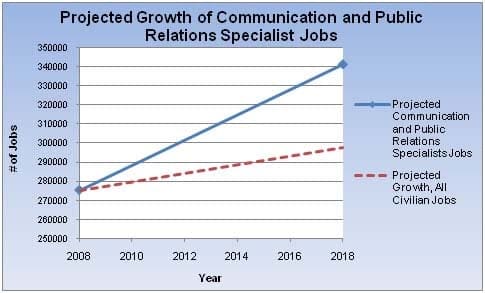
Today, people share, comment, and like, search, purchase, and review, and consume, consume, consume more than ever.  And they do it all online. Because of this, public relations — the heart of digital communication — is rapidly increasing in popularity among marketers.

(Image Source)

The story used to be much different, though.

At the beginning of the digital era, most people were skeptical.

They didn’t know whether the person on the other side of the screen was a robot or a human. They weren’t sure who they could trust when it came to making online purchases.

But today, everyone can communicate with everyone else — despite their physical location — and PR is an increasingly sought-after industry.

It makes sense. Not only is our world becoming more connected, but people are becoming more open to those connections.

In other words, since social media, email, Slack, and a plethora of other digital communication mediums rule the world, we humans are getting more and more comfortable with talking to each other online.

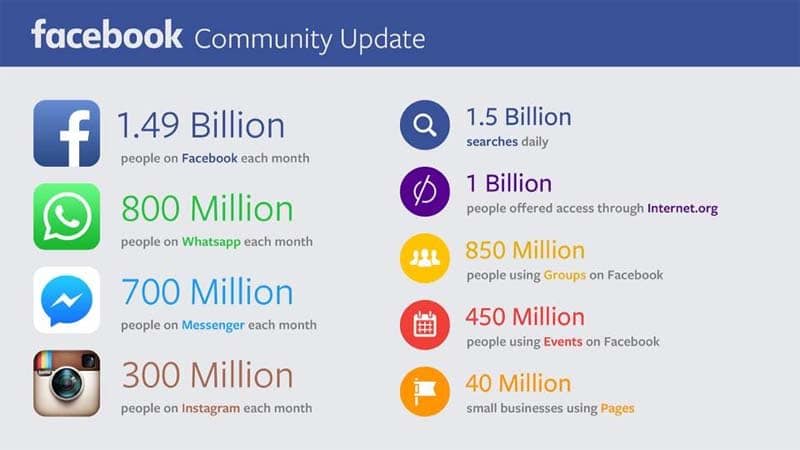
Business Insider reported on the massive amount of people using these digital tools, citing 1.49 billion people on Facebook alone each month.

(Image Source)

But before we get too deep into the “how” and “why” of public relations, we need to discuss the “what.”

The term is as fleeting as marketing jargon comes.

So what exactly is public relations?

What is PR?

Public relations wears many different hats, and thus it can be difficult to define.

In its most basic terms, public relations is defining and strengthening a business’s brand image through outreach to consumers, other businesses, and influencers.

But rather than leave you with an overly intangible definition of what public relations is, let me borrow from Marketing Profs, where they explain it with a bit of a story:

"You see a gorgeous girl at a party. You go up to her and say: 'I am very rich. Marry me!' That's direct marketing.

You're at a party with a bunch of friends and see a gorgeous girl. One of your friends goes up to her and pointing at you says: 'He's very rich. Marry him.' That's advertising.

You're at a party and see a gorgeous girl. You get up and straighten your tie, you walk up to her and pour her a drink, you open the door (of the car) for her, pick up her bag after she drops it, offer her a ride, and then say: 'By the way, I'm rich. Will you marry me?' That's public relations."

In short, public relations is giving a crap about people in hopes that they give a crap about you in return.

It’s taking the initiative in the consumer business, client business, and relationships, and then asking for something only after you’ve provided value.

Your business wants more customers. And that’s good. You need more customers.

But so does the next business and the next and the next out into marketing infinity.

And that crowded marketing space makes for a lot of skeptical clients and consumers.

Which is exactly why PR is so effective (and necessary).

Here are four ways you can use it in your digital marketing strategy.

1. Content marketing

Unfortunately, the term “content marketing” isn’t much more descriptive than “public relations.”

And that’s probably because the two are so closely related.

Just like the foundation of public relations, content marketing takes the initiative in building the business-customer relationship.

Rather than waiting for people to seek out your business — which they likely never will — a content marketing strategy seeks them out… sort of.

Great content doesn’t try to sell anyone on your product. Instead, it provides value to the consumer, for free. It offers advice, tactics, lessons, or tips, and asks for nothing in return.

No money in return for your goods and services? Sounds like a cruddy business strategy, right?

After all, you need to make sales, not just give away free stuff.

But the reality is that content marketing, done right, actually increases sales, audience size, and trust with your company, simply because you took the initiative.

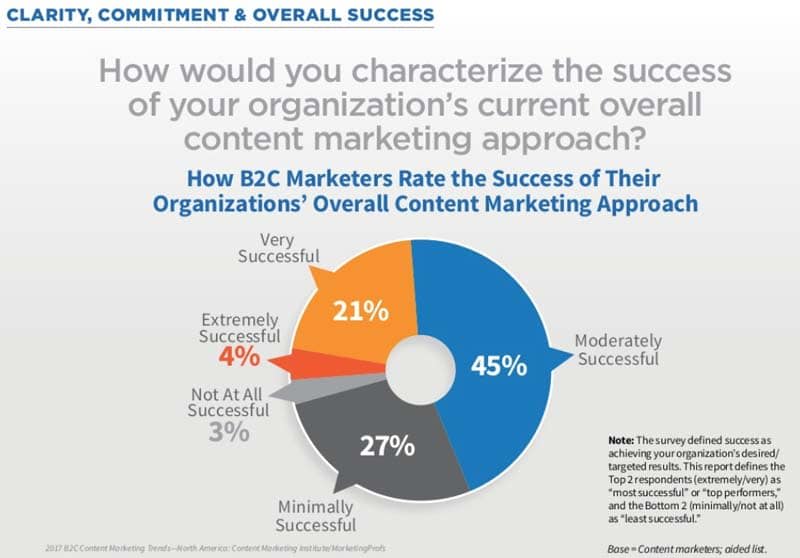
A whopping 97% of B2C businesses rate their content marketing strategy as successful in some regard.

(Image Source)

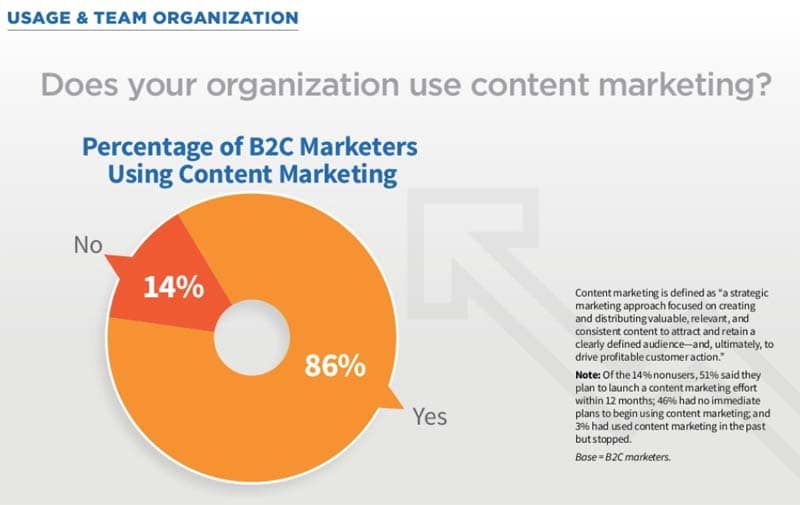
And most organizations, 86%, use content as part of their overall marketing strategy.


(Image Source)

So just how effective is content marketing?

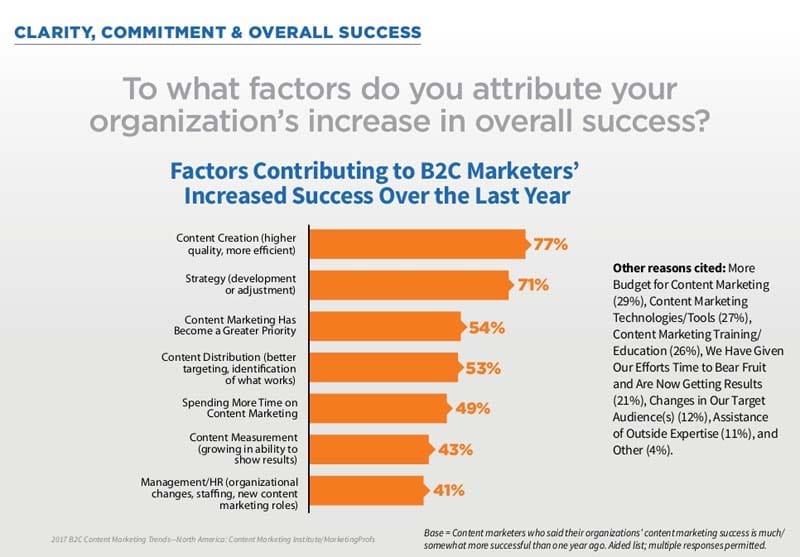
Well, 77% of B2C marketers attribute their success at least in part to their content marketing strategy.

(Image Source)

However, a disclaimer.

As the above statistics illustrate, many businesses have taken to content marketing.

This means that online space is filling up quickly.

Which further means that getting your content noticed is a challenge.

My recommendation?

Create unique content that other businesses in your industry aren’t creating. Make it stand out. Ask yourself what new angle would offer a fresh perspective to consumers.

For example, Jason Wong created The Holy MΓ©me Bible, which sold over $200,000 in less than three weeks.

How can you make your content marketing strategy worth your prospect’s time?

There’s a lot of competition, and you’ll have to make some pretty amazing stuff to grab attention.

It’s easy for people to go elsewhere and indulge in your competition’s content.

Create a content marketing strategy that is unique, valuable, and interesting.

And always err on the side of providing value for people rather than trying to sound gimmicky or be creative.

There’s a time and place for both. But value will likely bring you more traffic, leads, and sales than cute writing.

2. Brand mentions

If you don’t know when people are talking about you and your business, interacting with those people — PR— is practically impossible to do.

But how do you know when people are talking about your brand?

As a free way of going about it, monitoring notifications of brand mentions on social media platforms is critical.

But don’t just pay attention to the mentions. Interact with the people who do the mentioning.

Thank them for their feedback, ask them follow-up questions, and treat them like you would a good friend.

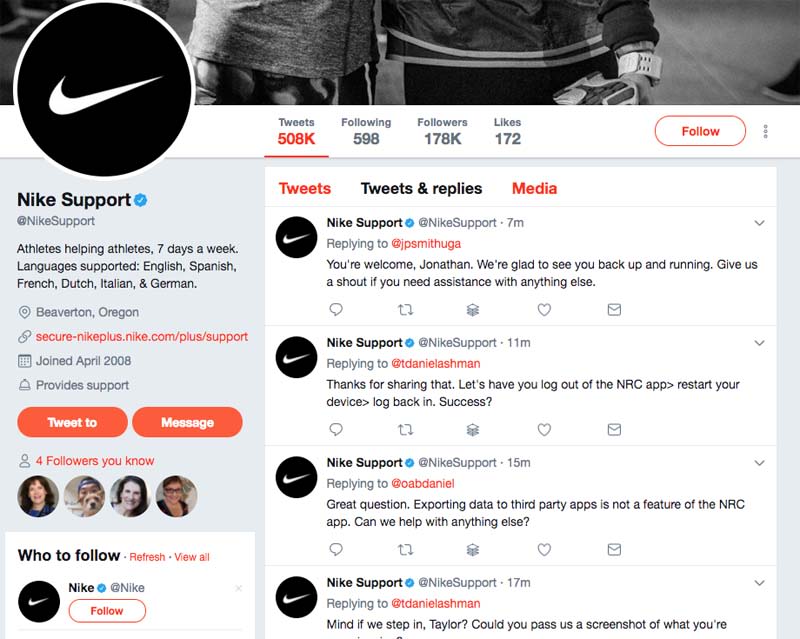
Nike support does a good job of this on Twitter.

(Image Source)

Their feed is full of replies to customers seeking answers or giving props to the brand.

Monitoring mentions on social media platforms will take you a long way, but for some of you, it still isn’t enough.

You’ll want to monitor mentions all across the web, whether they intentionally tag you or not.

To do that, you’ll need a more sophisticated tool.

Consider Mention, a powerful business-monitoring software that tracks mentions from social media and around the web, while providing countless worthwhile business insights.

(Image Source)

Whatever you decide, monitoring when, where, and how people talk about your business won’t only give you insight into the general opinion of your brand, it will also give you the opportunity to personalize the experience for prospects.

This means you can resolve any particularly heinous comments with class, and leverage customer relationships to sell more inventory.

In short, it will make people more loyal to your business.

And loyalty pays.

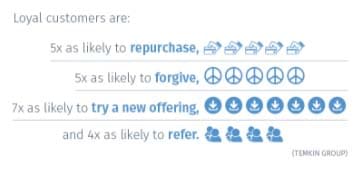
Loyal customers are five times more likely to repurchase items and forgive mistakes, seven times more likely to try a new offer, and four times more likely to refer your business to a friend.

(Image Source)
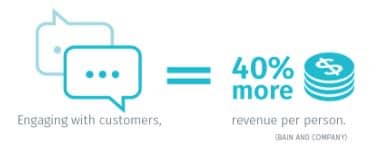
And engaging with your customers leads to an average revenue increase of 40%.

(Image Source)

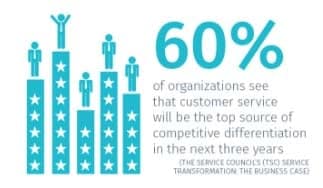
Because of this, 60% of businesses believe that customer service — a cornerstone of public relations — will be the primary determiner of who succeeds and who fails.

(Image Source)

You run a business, but that doesn’t mean your business can’t interact with people. In fact, your business should take extra steps to do so.

Interacting with people when they mention your brand is a great way to retain the customers who are consistent spenders with your brand, a result that will put most digital marketing strategies to shame.

3. Influencer marketing

How does influencer marketing relate to PR?

They go hand in hand.

Think about it. With influencer marketing, businesses build relationships with the audiences of influencers. It’s a refer-a-friend kind of marketing strategy.

A business pays an influencer to talk well about their company in hopes that the influencer’s audience will turn their attention to the business.

And so long as the influencer matches the company — in style, niche, and size — this tactic can be incredibly powerful.

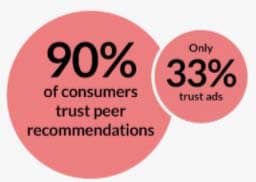
Take, for instance, the fact that 90% of consumers trust recs from their peers, while only 33% trust ads.

(Image Source)

Now, you might be thinking to yourself that peer recommendations are very different from influencer recommendations.

But are they?

After all, what is an influencer but someone who has “influence” in the lives of their audience?

Asked another way, isn’t an influencer simply someone who is peer to a large group of people?

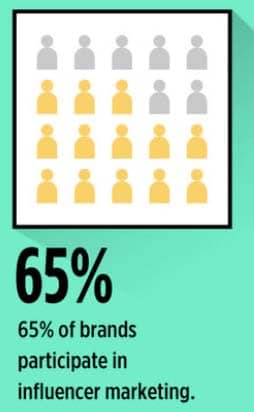
To answer that question, 65% of brands bank on the fact that influencer marketing works because it’s relational.

(Image Source)

And they are right to put their money and time into it. At least, according to consumers.

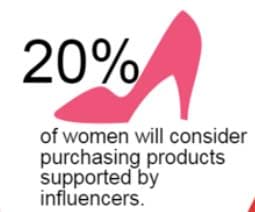
20% of women consider purchasing a product that has influencer backing.

(Image Source)


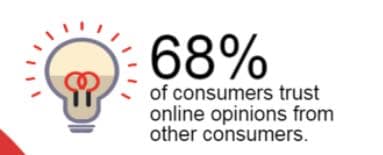
And 68% of consumers trust online opinions from other consumers.

Influencer marketing is a great way to let someone else sell your product for you, which is often far more effective than trying to sell it yourself.

There’s an influencer for every business size, style, and product. You just might have to do some research to find the right one.

Just remember this: the influencer you work with is the most important part.

In other words, choose the right influencer, and your marketing campaign will work. But choose the wrong influencer and kiss your invested money goodbye.

4. Publication features

Getting featured on massive publications is a great way to drive traffic to your website, get an SEO-helpful backlink, and increase brand awareness.

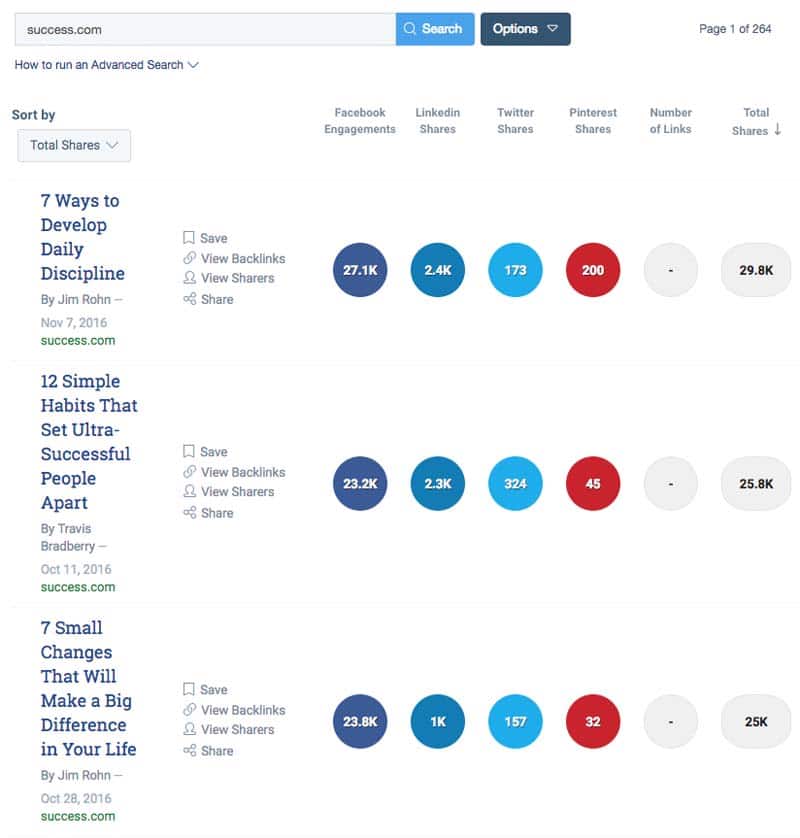
The online publication for SUCCESS receives thousands of social media shares on almost every article that they put out.

And Success isn’t the only one. You can see shares-a-plenty on sites like Entrepreneur, Mashable, Forbes, and Fast Company.

If you get your business or content featured on these publications, the impact is huge.

Not only can you put on your landing page that your business was featured, but you will also get loads of traffic from the massive amount of views that these publications drive.

But how do you get featured?

Well, in two words, public relations.

You could, of course, get featured by getting lucky and having a regular contributor approach you and ask you for content.

But that’s unlikely.

Rather than wait for a bit of luck, you can often pay writers to tactfully include you in their work.

But you can only do this by having a public relations specialist who can connect, maintain relationships, and pitch to contributing writers.

Many contributing writers are looking for a new topic to bring to their editor.

If you hand them one on a silver platter, chances are they’ll take it with excitement.

Try meeting writers through social media platforms like LinkedIn and Facebook.

Message them to pitch your topic idea and ask for a feature.

Publication features are a great marketing tactic for your public relations specialist to start focussing on.

The more you get featured, the more traffic and brand awareness you’ll generate.

Why public relations in digital marketing?

In digital marketing, there is an endless supply of tactics and techniques to choose from.

Paid advertisements rule a heavy portion of the marketing industry, and SEO has its place as well.

But, since much of marketing can be viewed as a little impersonal, public relations is increasingly important.

Public relations is like the good friend and the savvy salesperson.

They don’t pressure you into buying their product, and they definitely don’t outright ask for the sale.

That is, not unless they’ve provided value for you first.

Public relations takes the initiative in the business-consumer relationship.

It says, “No, you go ahead and have a seat while I do everything” before ever asking you to make the purchase.

So why use public relations in digital marketing?

Because every marketing strategy needs a personal touch, and public relations is just the one to do it.


Jason Quey is the VP of Marketing and Operations at Codeless, a B2B long-form content marketing company.

The post What is PR and what is its importance to digital marketing? appeared first on Ninja Outreach.


source https://ninjaoutreach.com/what-is-pr/